
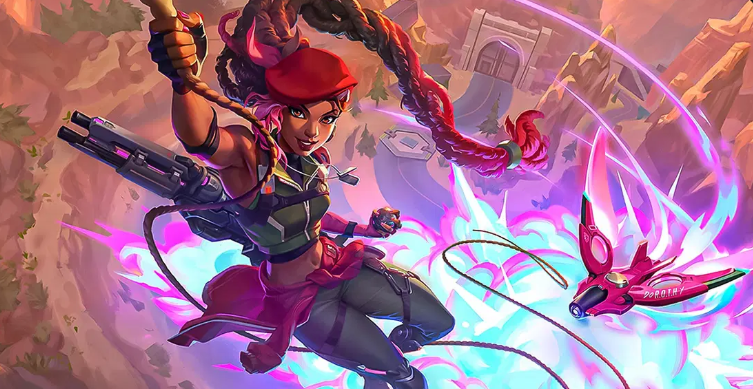
Image Credit: Blizzard Entertainment
The launch of Overwatch Season 2, titled Summit, marks a major step forward in Blizzard’s ongoing effort to reshape the game’s identity. Following a large-scale overhaul in Season 1, this update builds on that momentum with new content, system changes, and a renewed focus on long-term storytelling.
But while the update introduced exciting additions, the playerbase response has been mixed, highlighting both progress and ongoing concerns.
Season 2 Release Overview
Season 2 officially launched on April 14, 2026, continuing the game’s evolving live-service model and introducing a new chapter in its narrative arc.
This season focuses on:
- Expanding the hero roster
- Refining gameplay systems
- Delivering more consistent seasonal content
It also coincided with the release of a new version of the game on the Nintendo Switch 2, signaling Blizzard’s push toward broader platform accessibility.
New Hero: Sierra
The headline addition for Season 2 is Sierra, a new DPS hero with a unique toolkit centered around mobility and tracking mechanics.
Her abilities include:
- A spiral-pattern rifle
- Auto-targeting capabilities
- A mobility drone for repositioning
- A high-impact ultimate ability
Sierra also plays a key role in the ongoing story, tying into the broader Talon narrative and seasonal events.
This reflects Blizzard’s continued emphasis on combining gameplay updates with narrative progression.
New Features and Content
Season 2 introduces several gameplay and system updates:
- Post-match voice chat allowing interaction between teams
- Updates to the Stadium mode with expanded hero support
- New cosmetics, including mythic skins and crossover content
- A refreshed map experience, including reworked locations
The addition of post-match voice chat stands out as one of the most controversial features, as Blizzard has already warned players about potential toxicity and the need for moderation.
A Growing Live-Service Identity
Season 2 continues Blizzard’s shift toward a structured, ongoing content model. Instead of isolated updates, the game is now built around:
- Seasonal story arcs
- Regular hero releases
- Recurring events and collaborations
This approach is designed to keep players engaged over time and compete with other live-service titles in the genre.
Player Feedback — The Good
Across forums and communities, many players are optimistic about the direction of Season 2.
On Reddit, some users expressed excitement about the scale of the update:
“A bigger update than OW2 itself… very exciting!”
Others highlighted improvements to gameplay variety and new modes:
“Stadium reminds me of [other games]… and that makes it fun.”
Positive Takeaways:
- New hero design is seen as creative and fresh
- Expanded modes are adding variety
- Ongoing updates show Blizzard is actively supporting the game
There is a clear sense that the game is evolving in a more ambitious direction.
Player Feedback — The Concerns
Despite the excitement, criticism remains a major part of the conversation.
Some players are skeptical about balance and long-term stability:
“It’s going to be a balancing nightmare.”
Others continue to express frustration with the game’s broader history, including content decisions and monetization concerns.
There are also concerns about:
- Toxicity with new voice chat features
- Whether updates are meaningful enough long term
- Trust in Blizzard following past controversies
Even outside Season 2, Overwatch has faced heavy criticism, including review bombing and dissatisfaction with removed features like PvE content.
Technical Issues and Performance Feedback
While Season 2 aimed to improve accessibility, not all technical aspects have been well received.
For example, early reports suggest performance issues on newer platforms, with some players claiming the experience did not meet expectations.
This highlights an ongoing challenge for Blizzard: delivering consistent performance across multiple platforms while expanding the game’s reach.
Why Season 2 Matters
Season 2 is not just another update. It is part of a larger attempt to redefine Overwatch’s future.
It represents:
- A commitment to frequent content updates
- A push toward narrative-driven seasons
- Continued experimentation with new systems and features
Whether these changes will fully win back the community remains to be seen, but the direction is clear.
Final Thoughts
Overwatch Season 2 shows a game in transition. It is evolving, experimenting, and trying to rebuild trust with its playerbase while delivering meaningful content.
If you want to stay on top of every major update, every community reaction, and every shift in the meta, make sure you subscribe to The Gamer’s Cut. This is where news meets insight, giving you a deeper understanding of the games shaping the industry.
From breakdowns like this to future updates and competitive analysis, The Gamer’s Cut is your edge in the world of gaming.
Stay informed. Stay competitive. And we will see you in the next cut.


Leave a Reply