
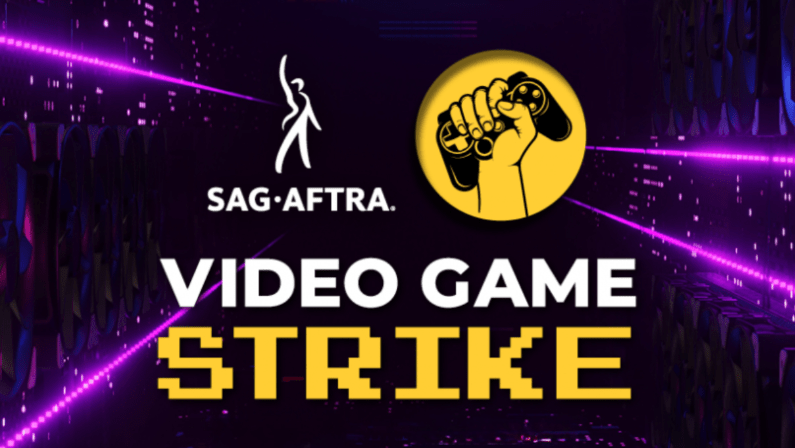
Image Credit: Dot Esports
After nearly a year of strike action, video game voice and motion capture actors have secured a landmark contract. This isn’t just a victory for fair pay, but also a major step toward protecting their careers in the age of artificial intelligence.
Strike Finally Ends with Overwhelming Support
Voice and mocap actors began striking in July 2024 to demand better wages, benefits, and protection against unsafe AI use. The fight ended this week when SAG‑AFTRA members ratified the 2025 Interactive Media Agreement by an astounding 95% approval vote.
What the Contract Guarantees
Actors will see a 15.17% pay increase immediately, followed by annual 3% raises through 2027. Health and retirement benefits are also enhanced, including added contributions to pension funds.
Guarantees for motion‑capture performers are also in place: medics must now be present during demanding shoots.
Landmark AI Safeguards
A central achievement of the contract is AI protection. Studios must now obtain written informed consent before creating digital replicas of performers. That consent can be withdrawn if the actor re‑strikes.
Companies are also required to disclose how AI replicas are used and compensate actors for that work. This sets a new industry standard and aligns with legislation like the NO FAKES Act.
Why This Matters
This contract marks a turning point in labor rights for game performers. It not only delivers fair compensation and safety standards but also safeguards creative work from being stolen by AI.
Studios like Activision, EA, Epic, Disney Voice Characters, and WB Games endorsed the deal, signaling a new era of collaboration
What Comes Next
The current agreement runs through October 2028. Union leaders stress it’s just the start, and that they’ll continue pushing for stronger AI protections, better working conditions, and broader industry change.
Final Thoughts
It took nearly a year, but the outcome was a win for performers everywhere. This agreement secures higher pay, better benefits, and most importantly, control over how their voices and likenesses are used in games. It’s a victory for creative rights and a model for how entertainment industries can safeguard talent against AI misuse.
If you found this breakdown useful and want more behind‑the‑scenes gaming industry coverage, make sure to subscribe to The Gamers Cut for more updates and analysis.


Leave a comment